

This is Thula
We have three kindergarten classes followed by six school classes, around two hundred children in total, in a building of our own on the Obiplein.
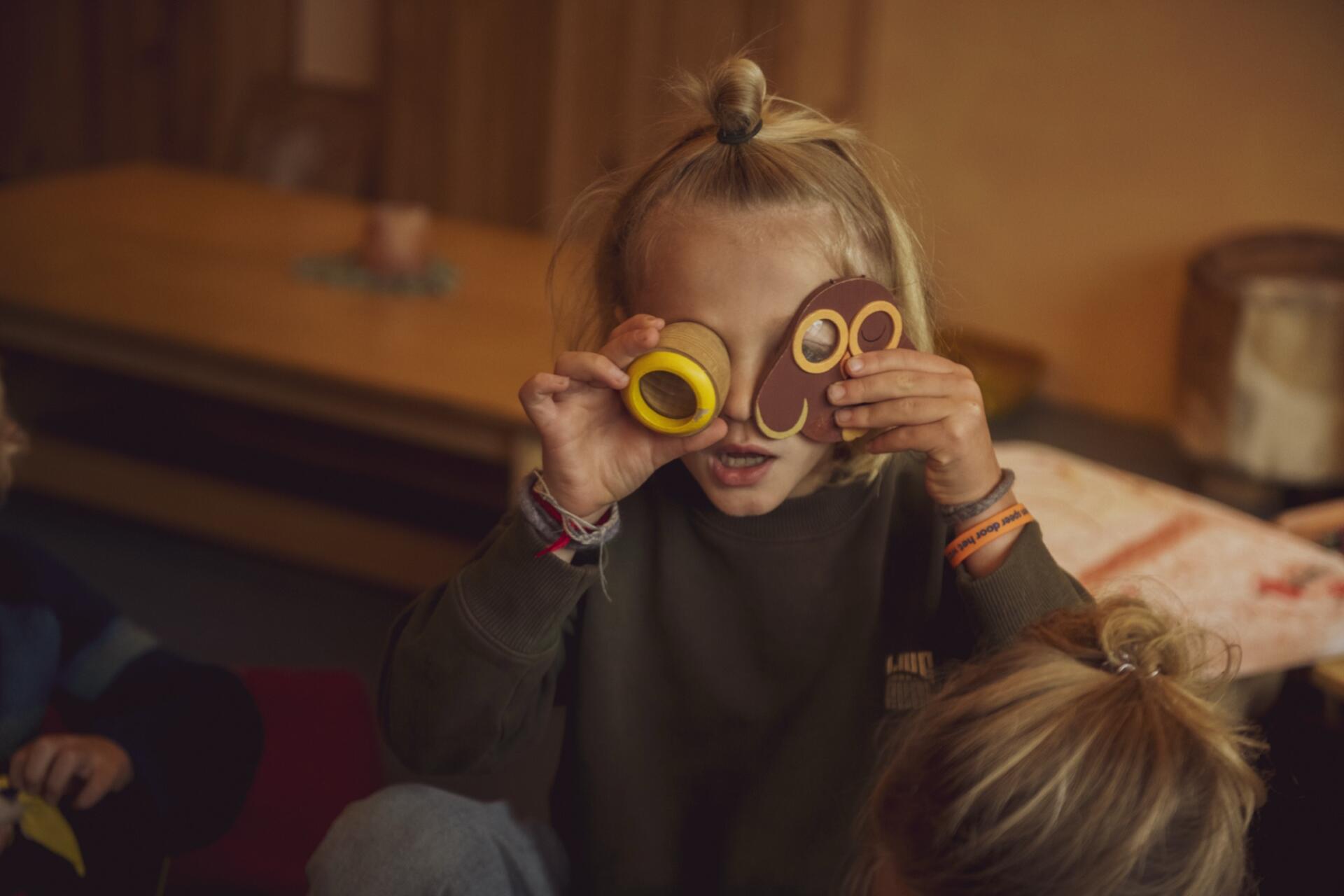
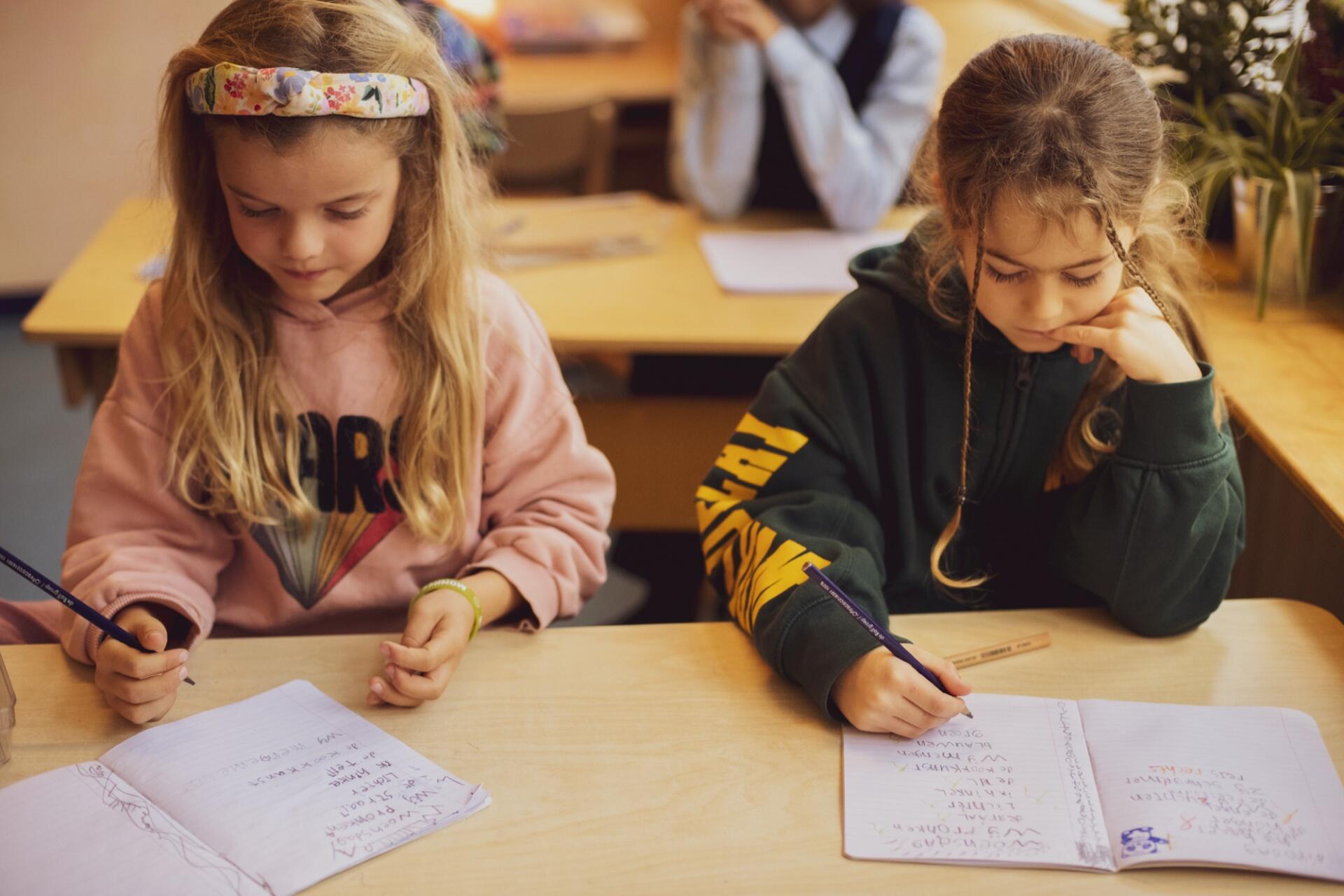
At Thula, children learn with head, heart and hands. Singing, reading, moving, doing maths, playing, writing, listening, storytelling and discovering: the days at our school are richly filled. We have high expectations of our pupils: we practise language and maths every day and follow each child closely. This allows us to offer extra support or enrichment if needed.
Our education is aimed at helping children feel at home at Thula. Social learning plays an important part in our school. We believe that children who feel seen and valued can also meet others with openness.
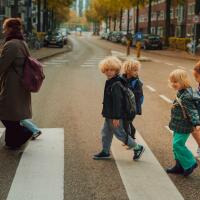
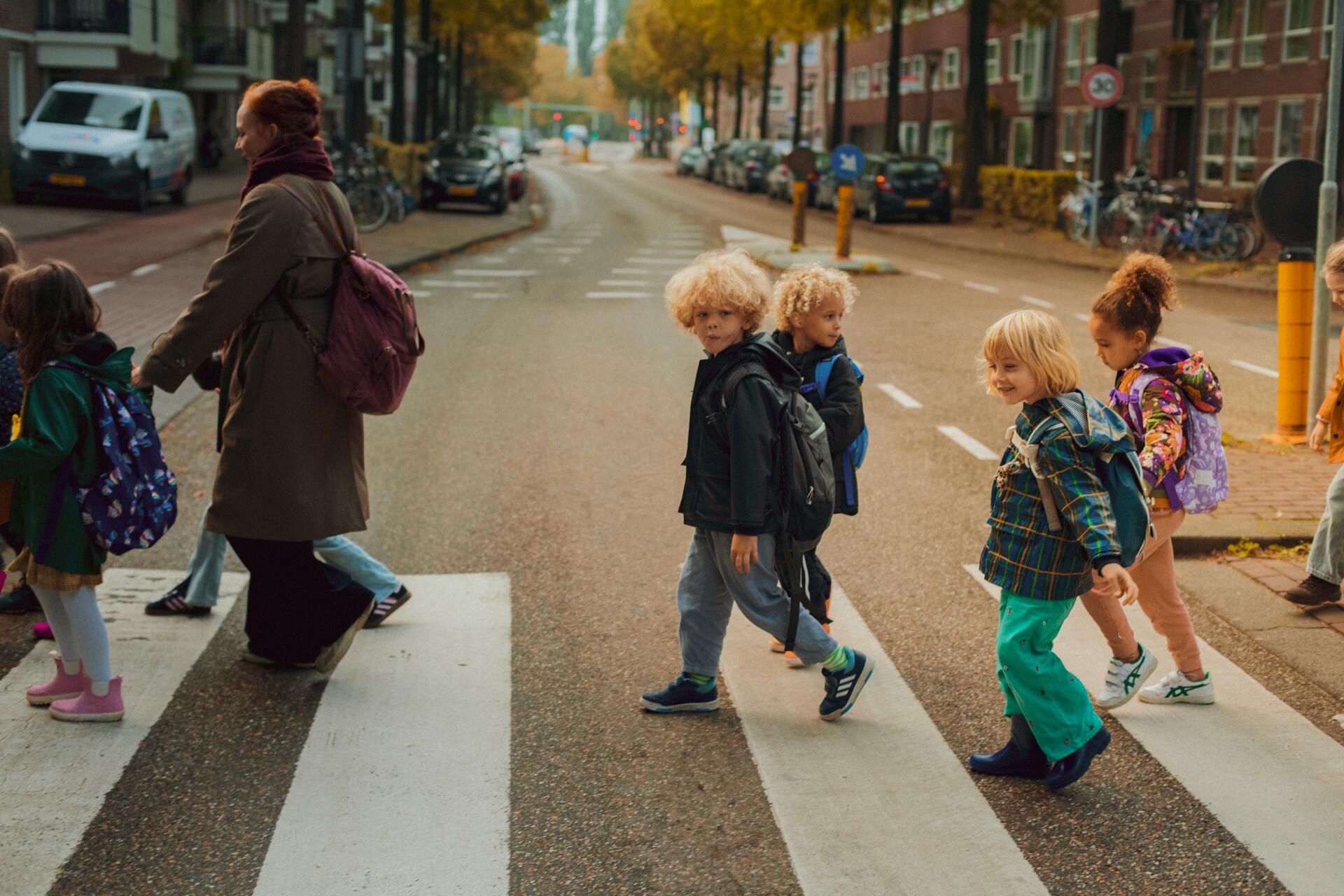
Thula is a neighbourhood school: children who live nearby get priority when places are allocated. Children learn with and from one another here. We bring the world into the classroom, with stories from all corners of the earth and festivals of the year in which we explore what people and cultures share.


What is a Waldorf school?
In a Waldorf school, children learn the same things as at any other primary school (reading, maths, writing) and much more besides. Every day includes music and artistic subjects such as form drawing, handwork, drama and movement. We celebrate many festivals of the year and live along with the seasons.
What sets Waldorf education apart is its view of the child. This stems from anthroposophy, the understanding of the human being developed by Rudolf Steiner. A human being is more than the capacity to think. Alongside learning to think clearly, feeling and willing matter too: head, heart and hands. We therefore look at the whole child and at the stage of development they are in. We want to do the right thing at the right moment, so that the subject matter has the chance to truly sink in.
Anthroposophy is not a subject that we teach children; it is the way in which we look at their development. Thula does not adhere to any particular religion and is open to everyone.
> More about Waldorf education at vrijescholen.nl
A day in the kindergarten
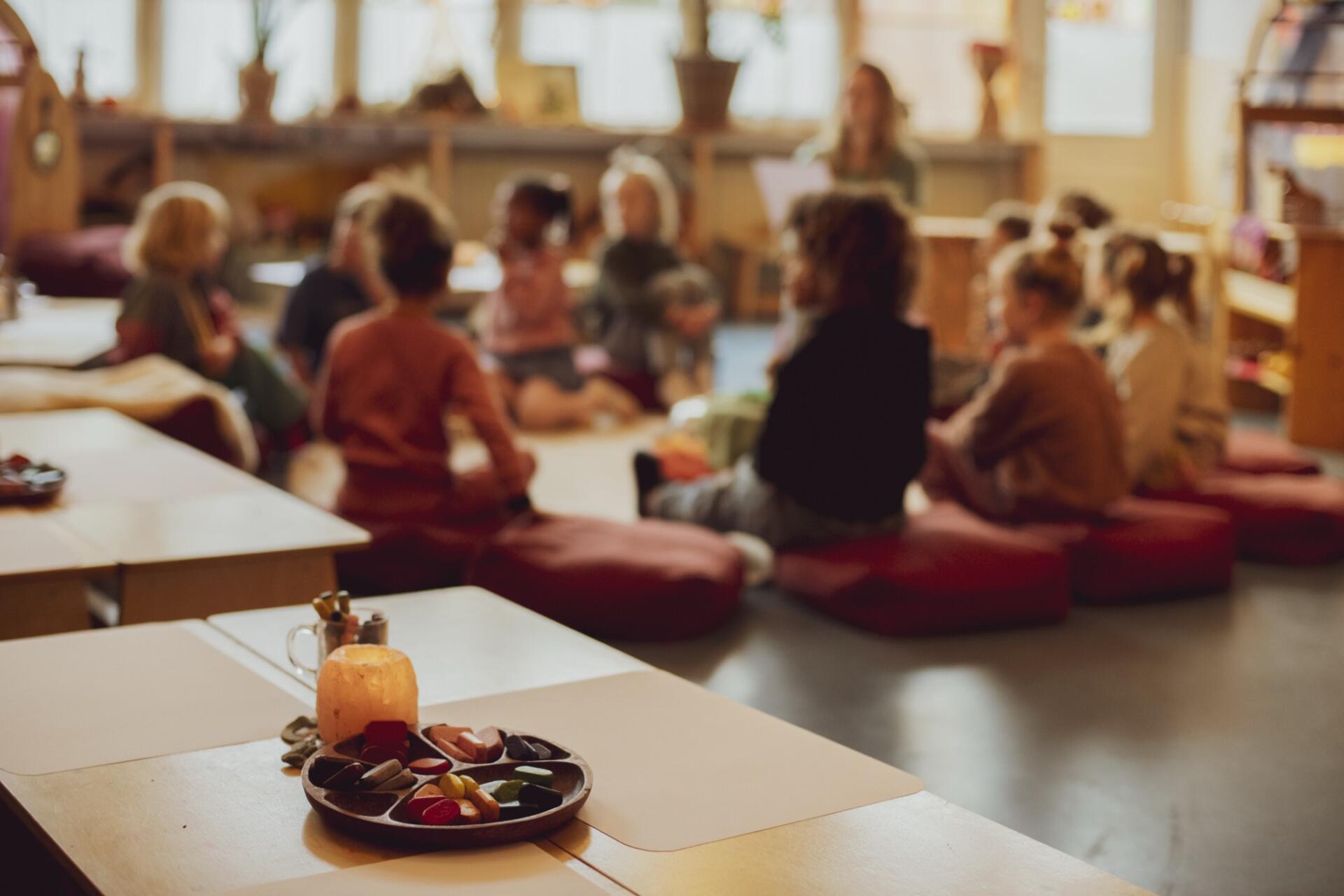
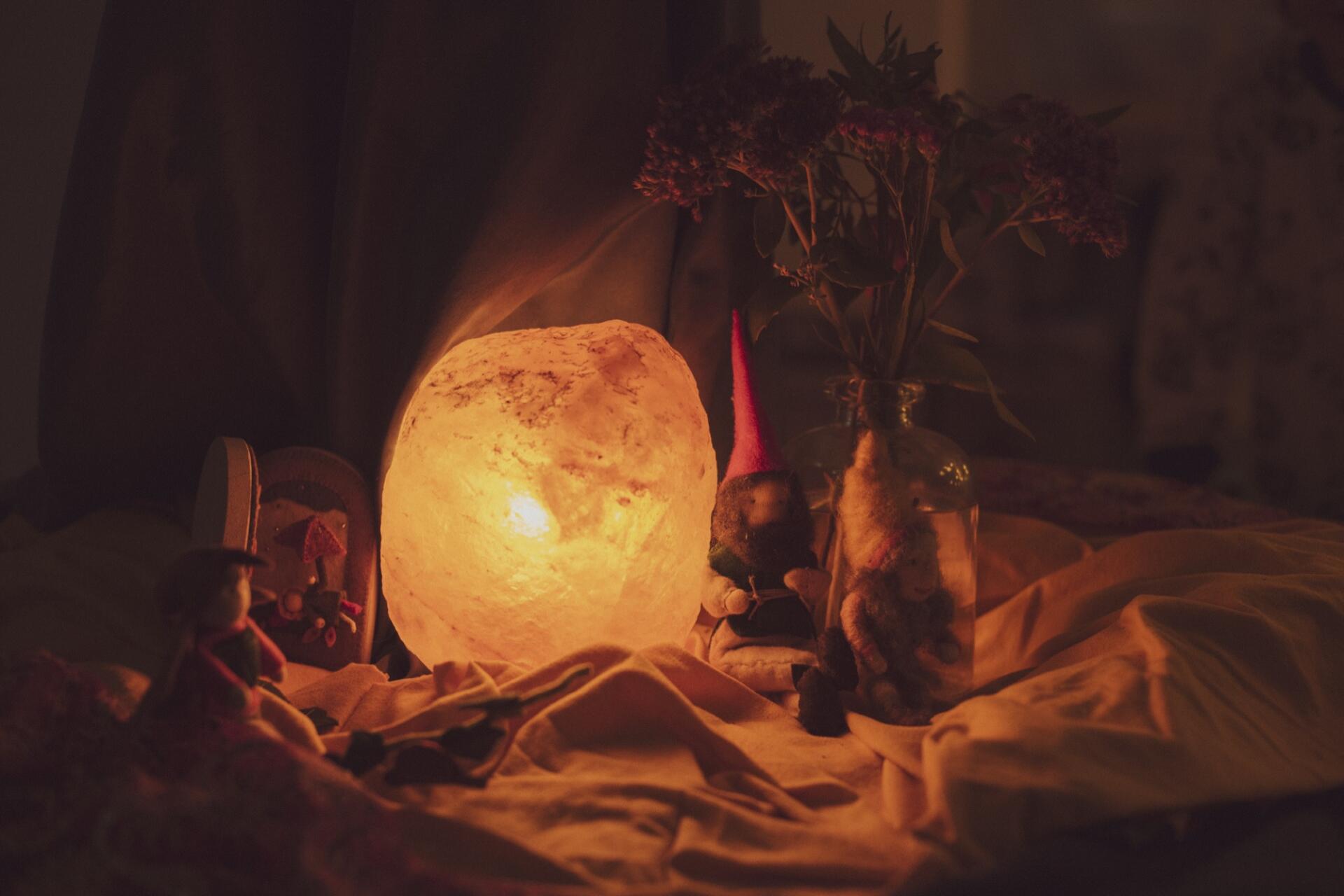
The school day runs from 8:30 am to 2:00 pm and has a clear, predictable structure that fits the world of experience and the needs of young children. The day begins in a circle, where a movement game is played in the form of a story. Songs are sung and a gnome is woken up, who tells how the day will go.
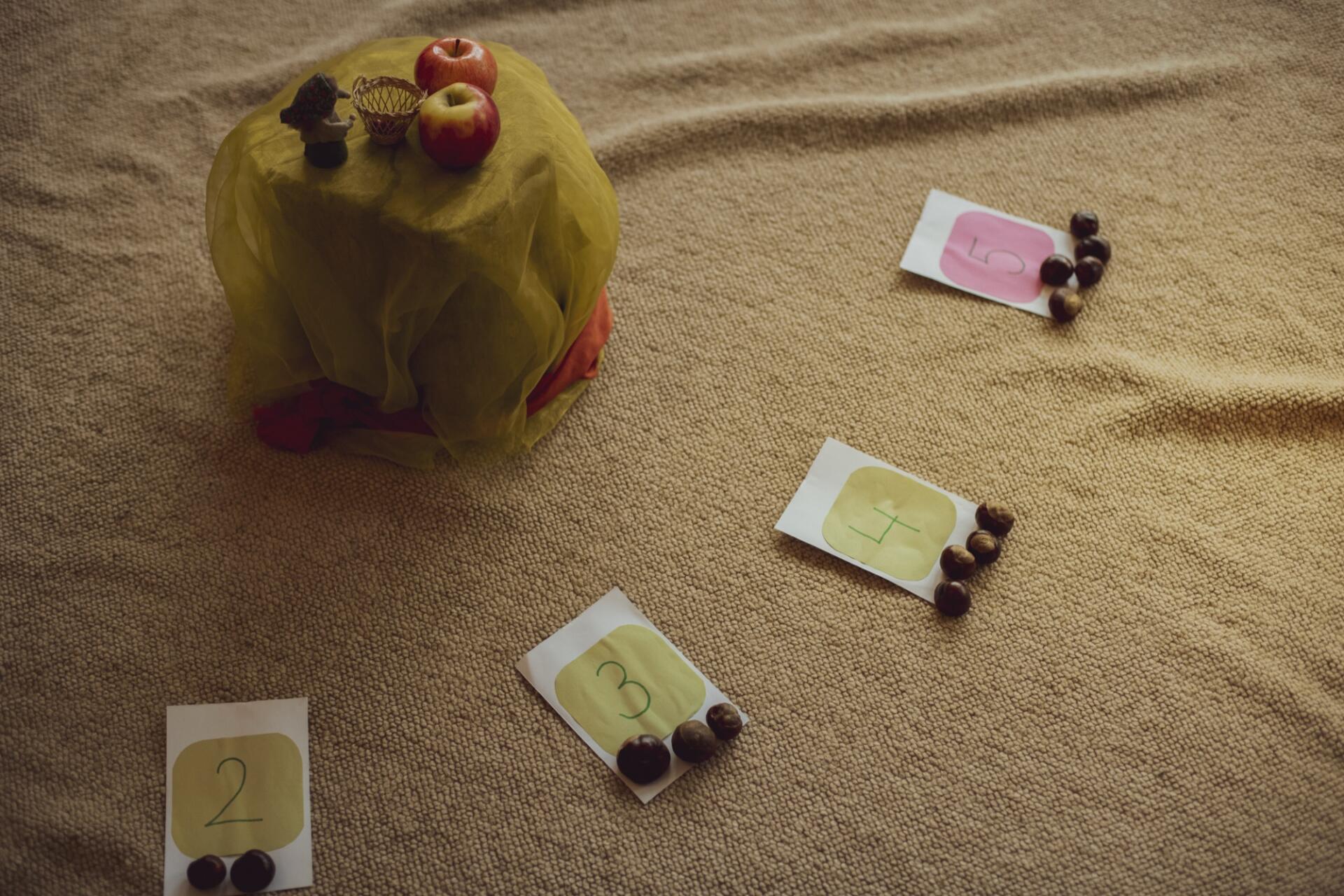
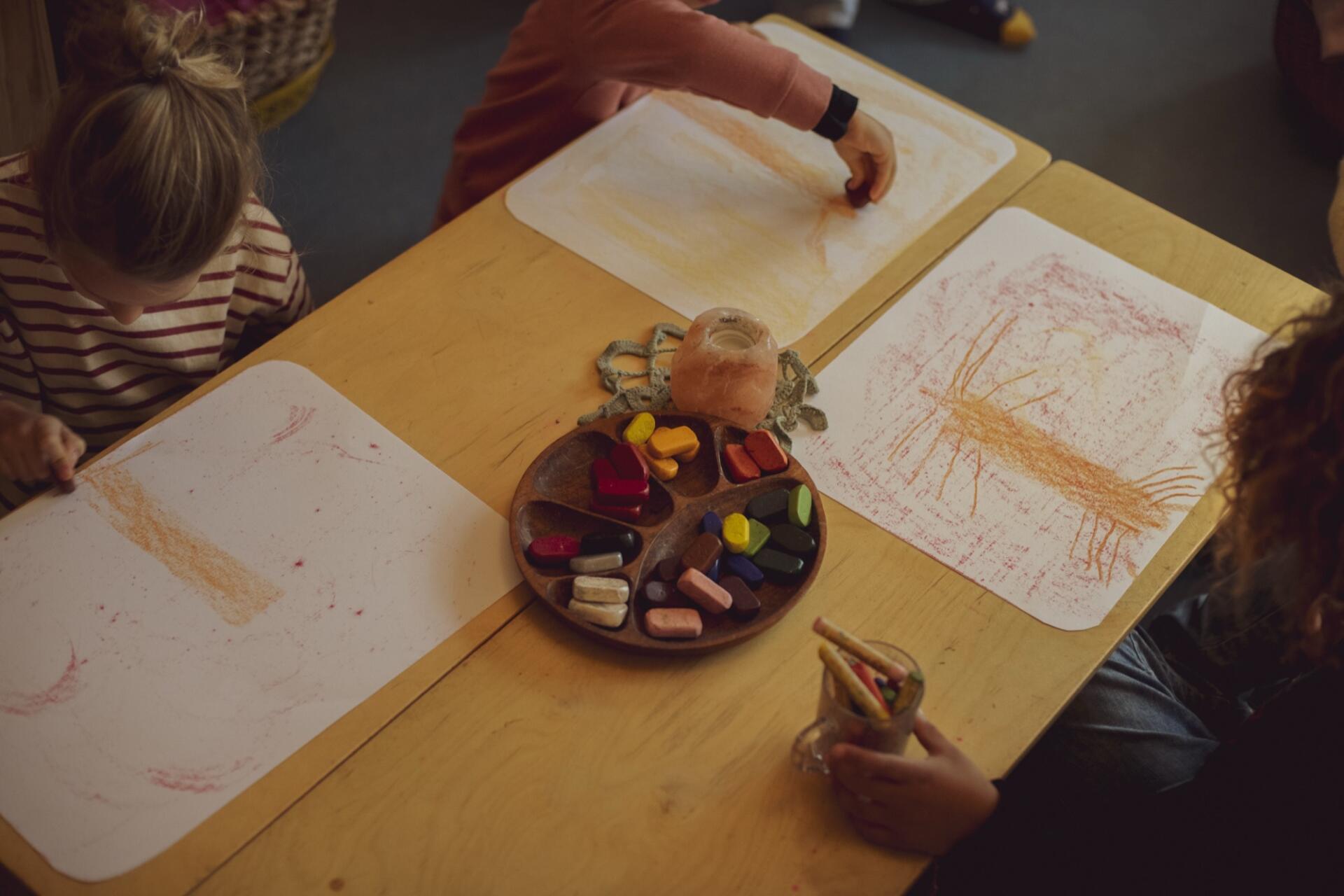
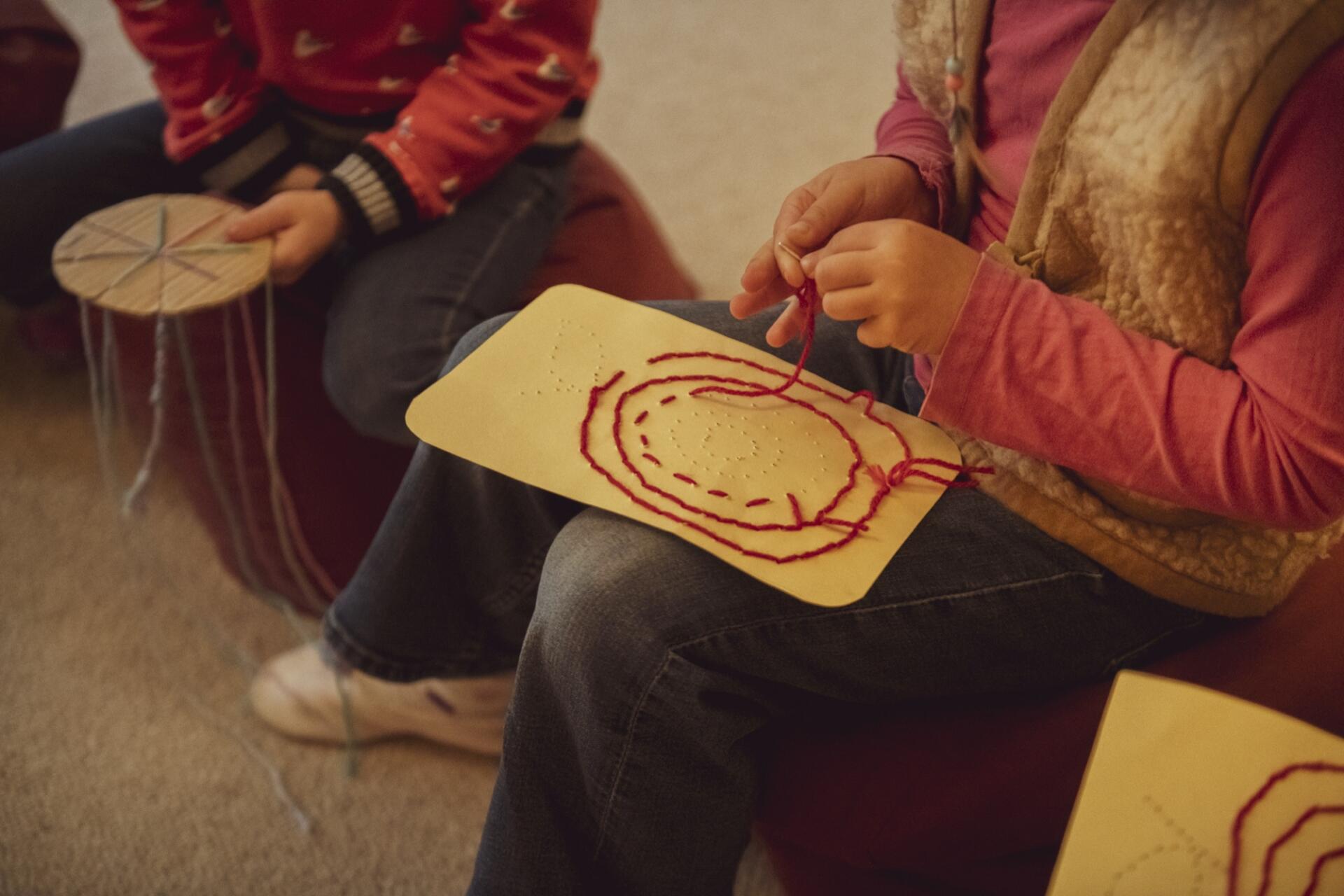
Guided play and free play then take a central place. Young children naturally have a rich imagination, and the teachers build on this by offering rich stories and imagery through which the children can develop. Through play, children work every day on important early maths and language skills, and they practise fine and gross motor skills in a focused way through rope skipping and hopping or through artistic activities such as weaving and wet felting. Once a week there is eurythmy, an art of movement in which the children connect with language and music; in the kindergarten classes it is accompanied on the harp.
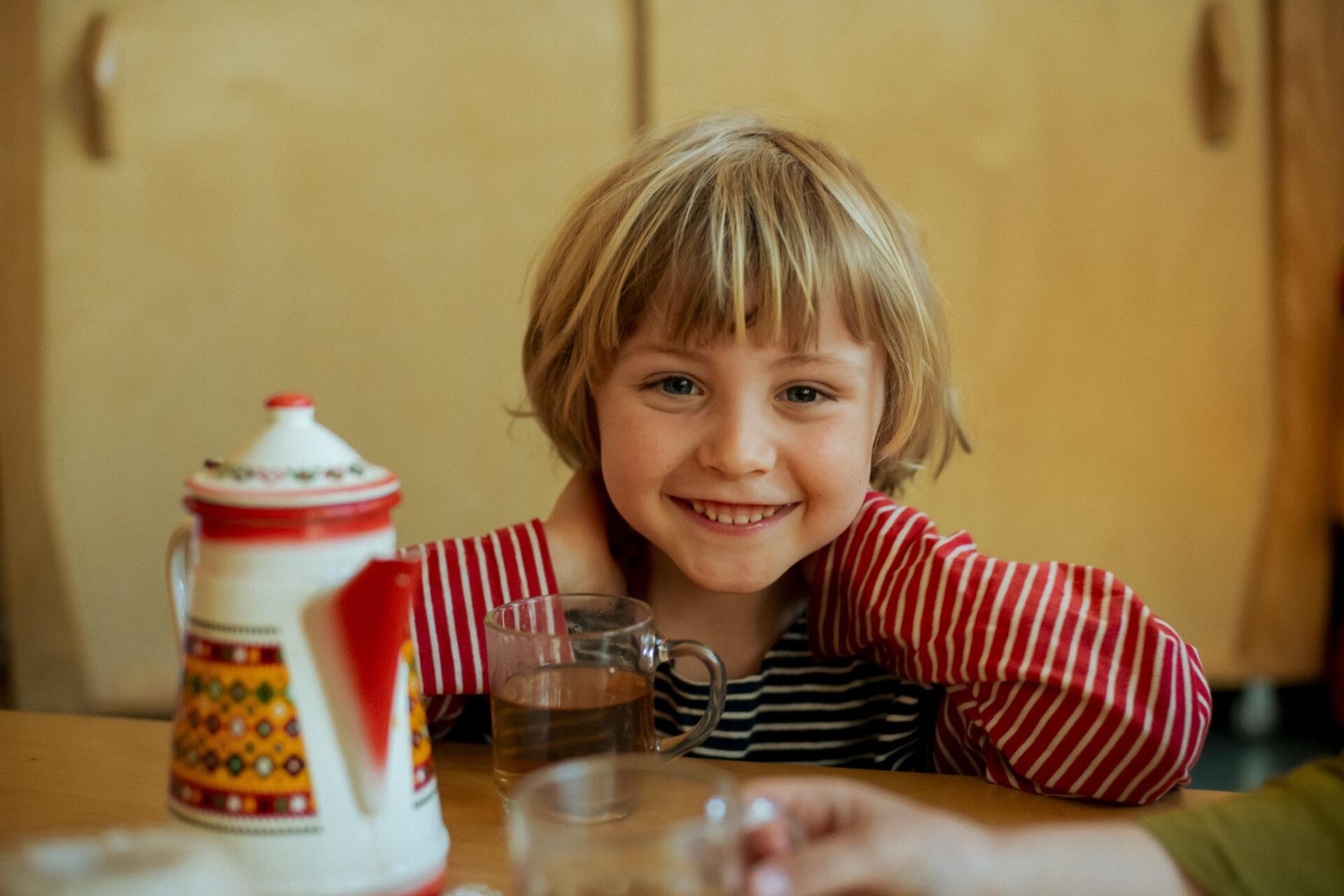
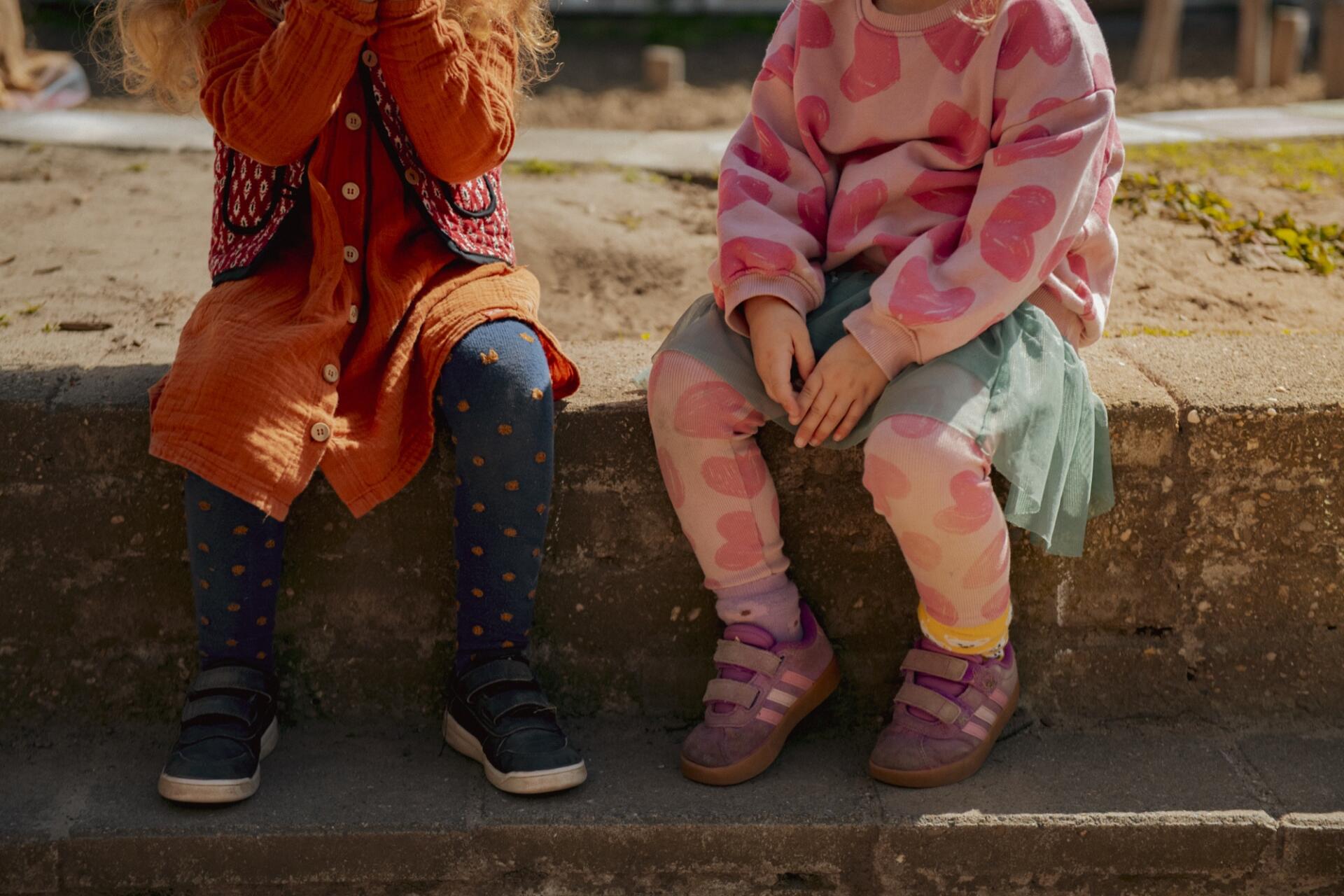
The children eat fruit and drink tea together, with full attention and without screens to distract them at the table. Every day the children play outside, where children from the three kindergarten classes meet.
Children stay with the same teachers for the whole of their kindergarten years. This continuity creates a familiar environment in which the teacher gets to know every child very well. Our kindergarten teachers are trained to support children who are ahead in their development; enrichment takes shape through play, in line with the child's age and stage. A child might, for example, be encouraged to write something next to a drawing, to weave a more complex piece using several colours of wool, or to combine different materials when building.
Wednesday for the oldest kindergarten children
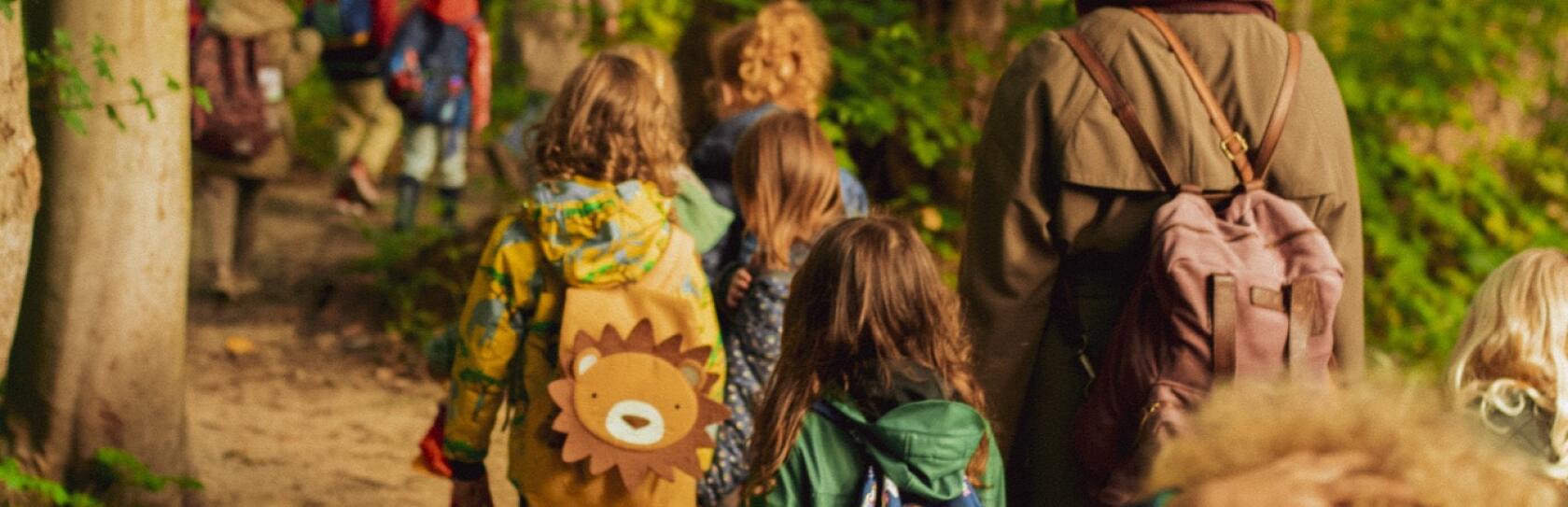
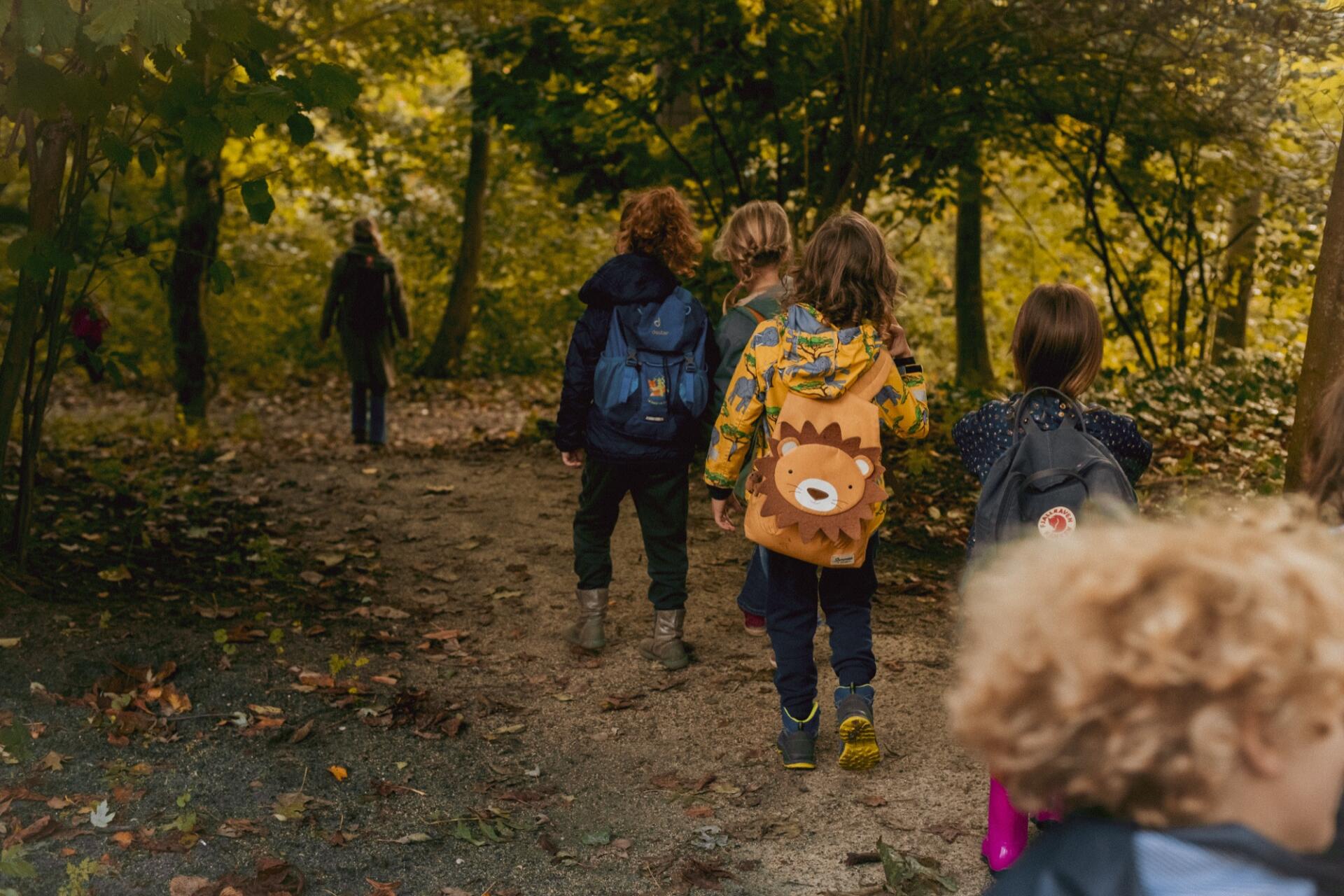
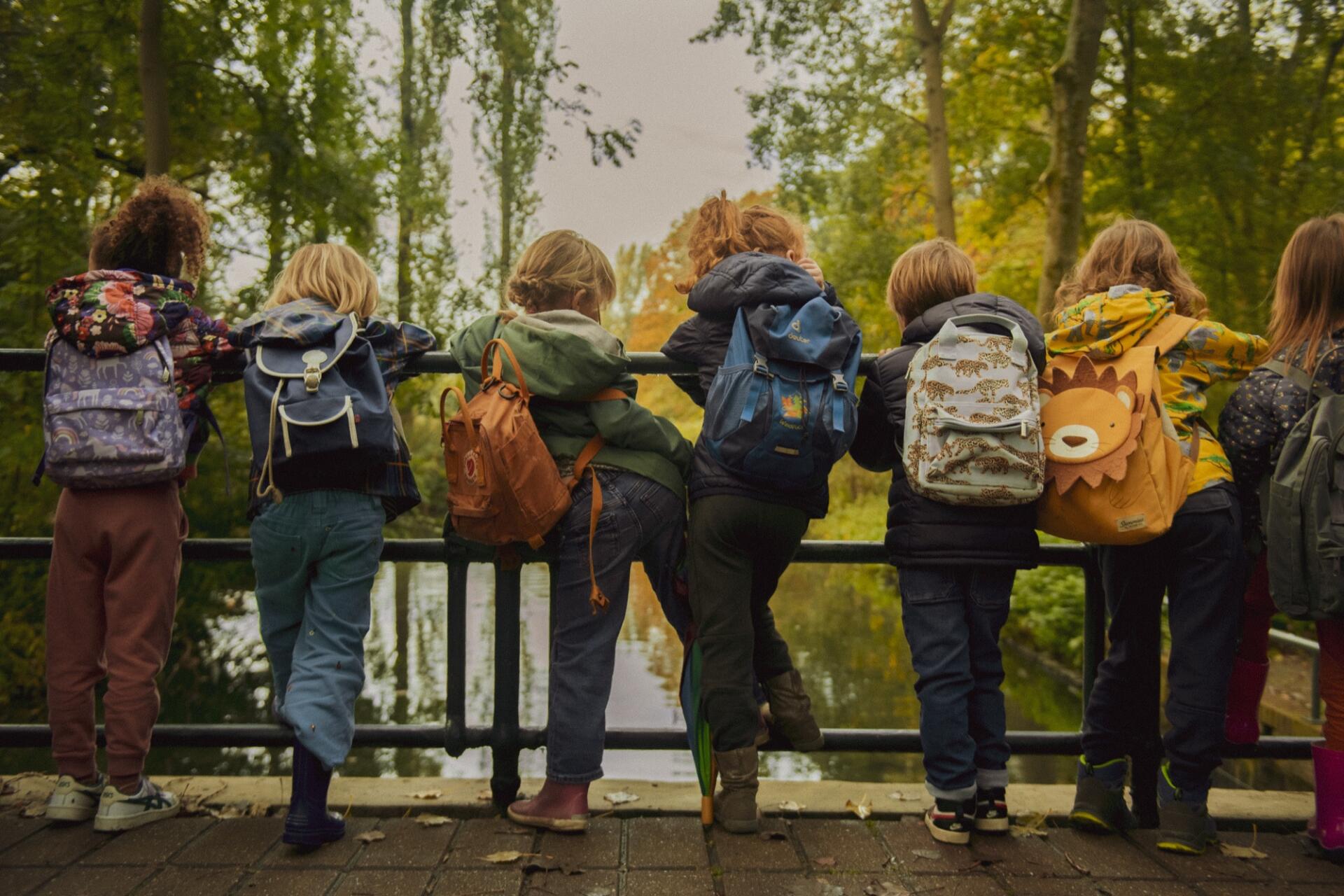
On Wednesdays the four-year-olds stay at home. This day of rest helps them to spread their energy better across the week. For the older kindergarten children, Wednesday offers extra opportunities for learning: in a smaller group they practise early language and maths skills in a focused way, in preparation for learning in Class 1. The day starts with English songs and rhymes. From 9:45 am the children set off for the Flevopark, where they learn and play together in nature. The children develop perseverance there, because they go in all weathers.


Classes instead of groups
In Waldorf education we start counting after kindergarten. Group 3 is called Class 1 with us, group 4 is Class 2 and group 8 is Class 6. That way of counting marks a real transition: the kindergarten years belong to the first seven years of life, in which children learn mainly through imitation and play. With Class 1 a new phase of development begins, in which learning takes on a different form.
In kindergarten, children stay with the same kindergarten teachers. In Class 1 they get a new teacher, who in principle stays with the class for several years. This continuity contributes to a stable and familiar learning environment and creates a deep connection in which the teacher gets to know all the children in the class very well.
A day in Classes 1 to 6
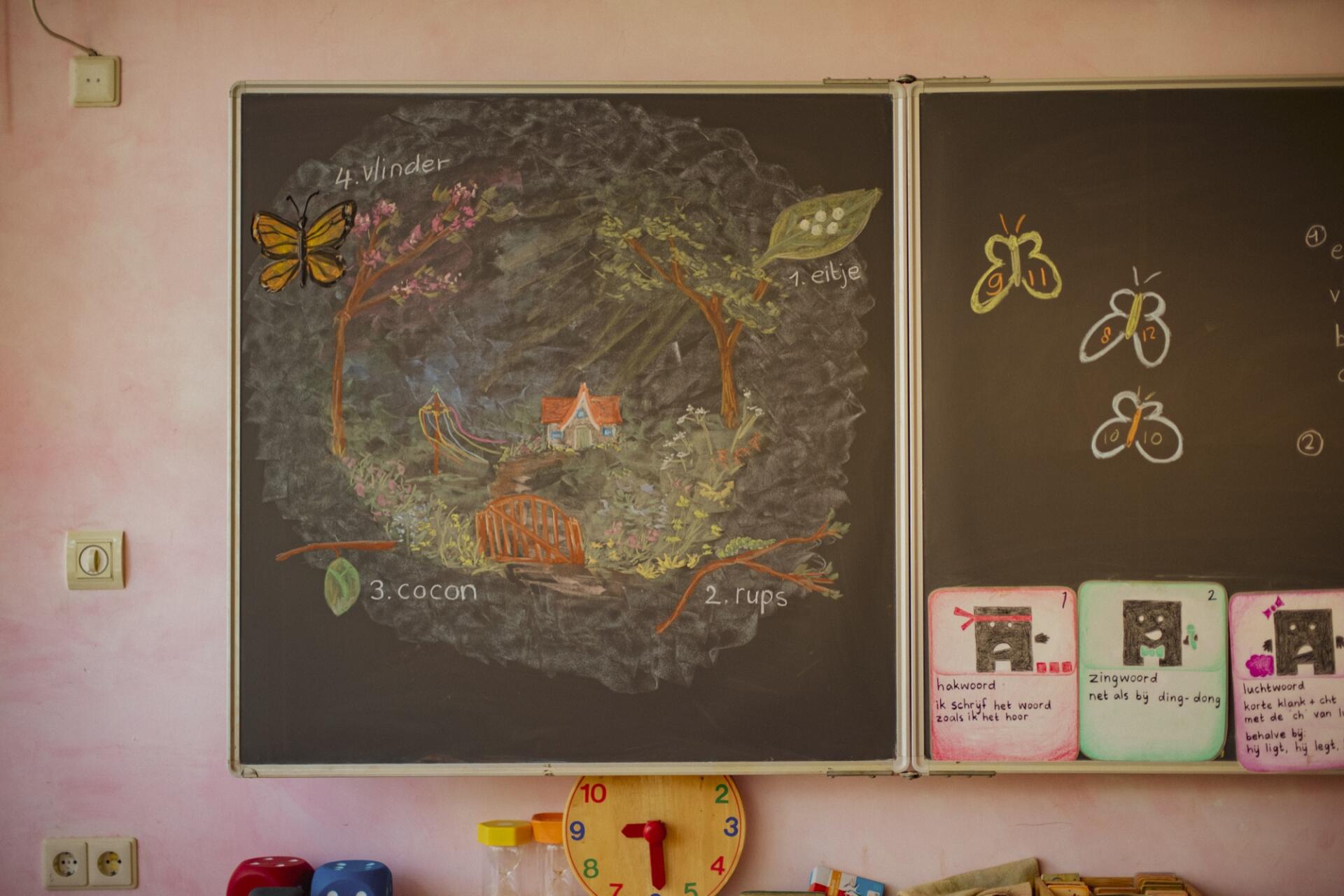
From 8:20 am the children go into school independently, where their teacher is waiting for them in the classroom. They start with a task or with work they have set out themselves, so that the day begins calmly. At 8:30 am the opening session begins, with singing, movement or concentration exercises, or practising a skill. In the second seven-year phase, children learn less through imitation and more through experience and enthusiasm for the subject matter; the teacher takes them along in stories and experiences that appeal to their imagination.
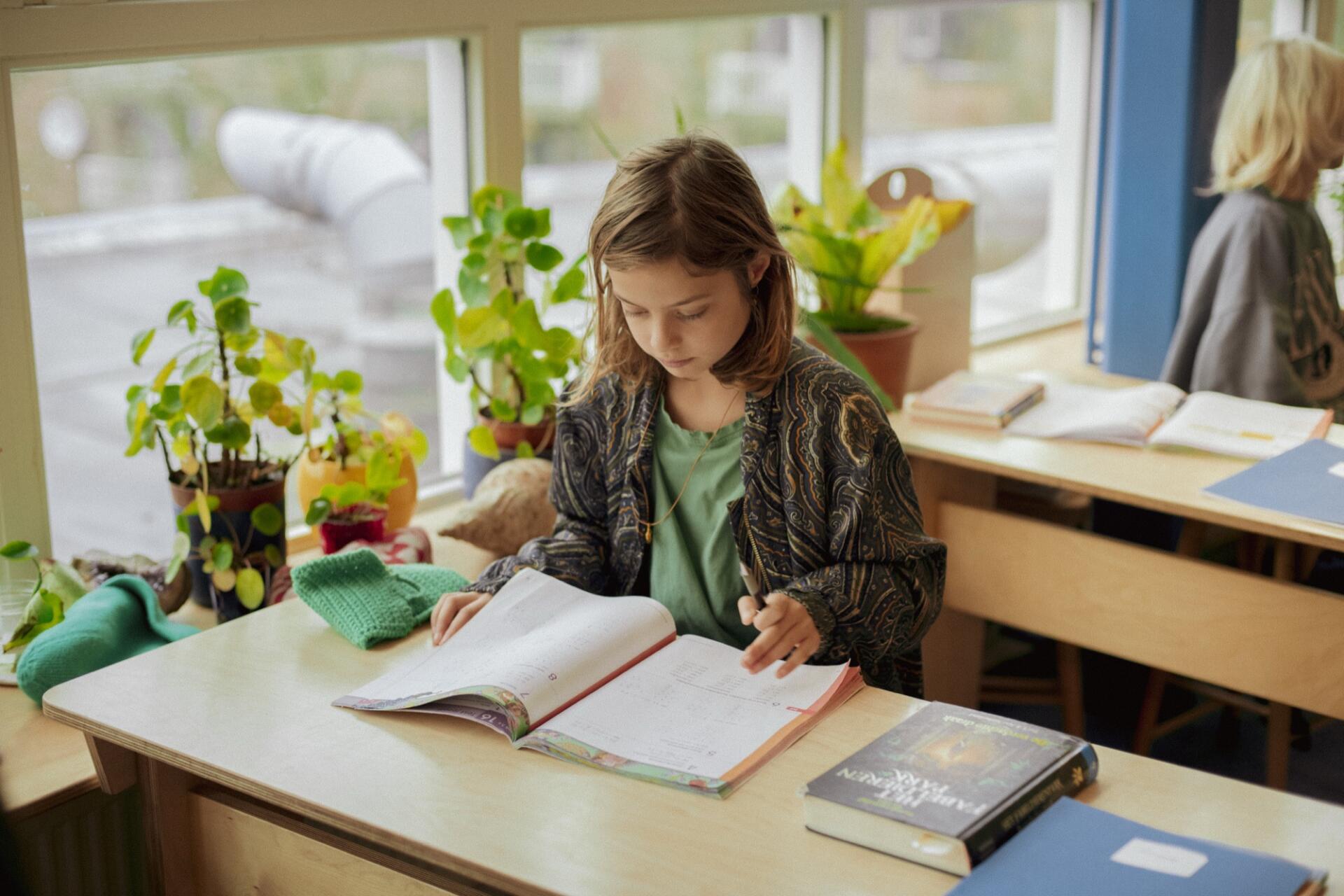
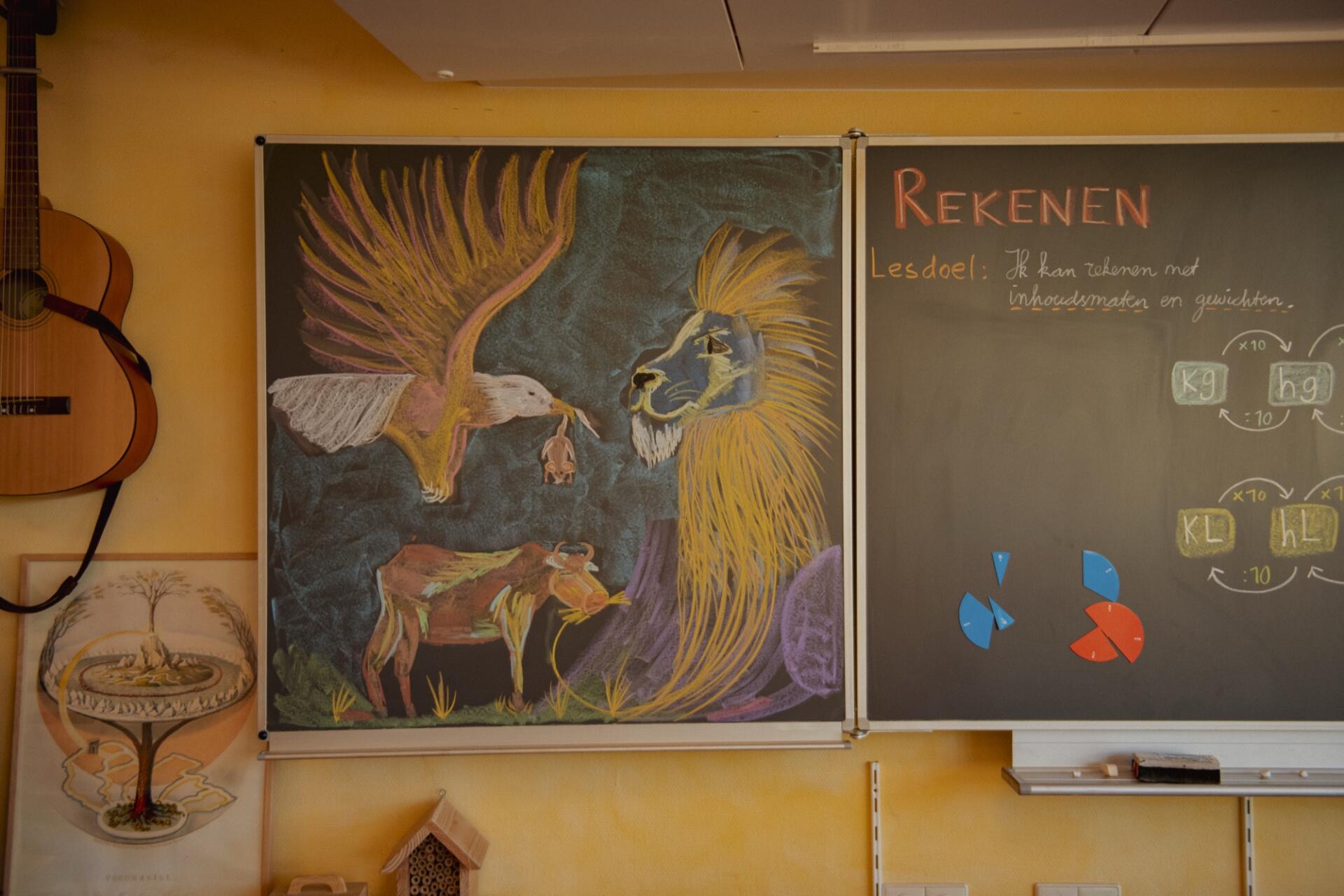
Main lesson blocks follow. For three or four weeks the same subject is at the centre, so that children can truly connect with the material. In the language block in Class 1, for example, the children get to know the letters; in the house-building block in Class 3 they work with their hands and learn about their own home and about living in other cultures; and in Class 6 they construct geometric drawings with a compasses during the geometry block. The teacher designs these lessons personally, to match the developmental goals of the class. Learning often takes place through an artistic process, which helps children warm to the subject.
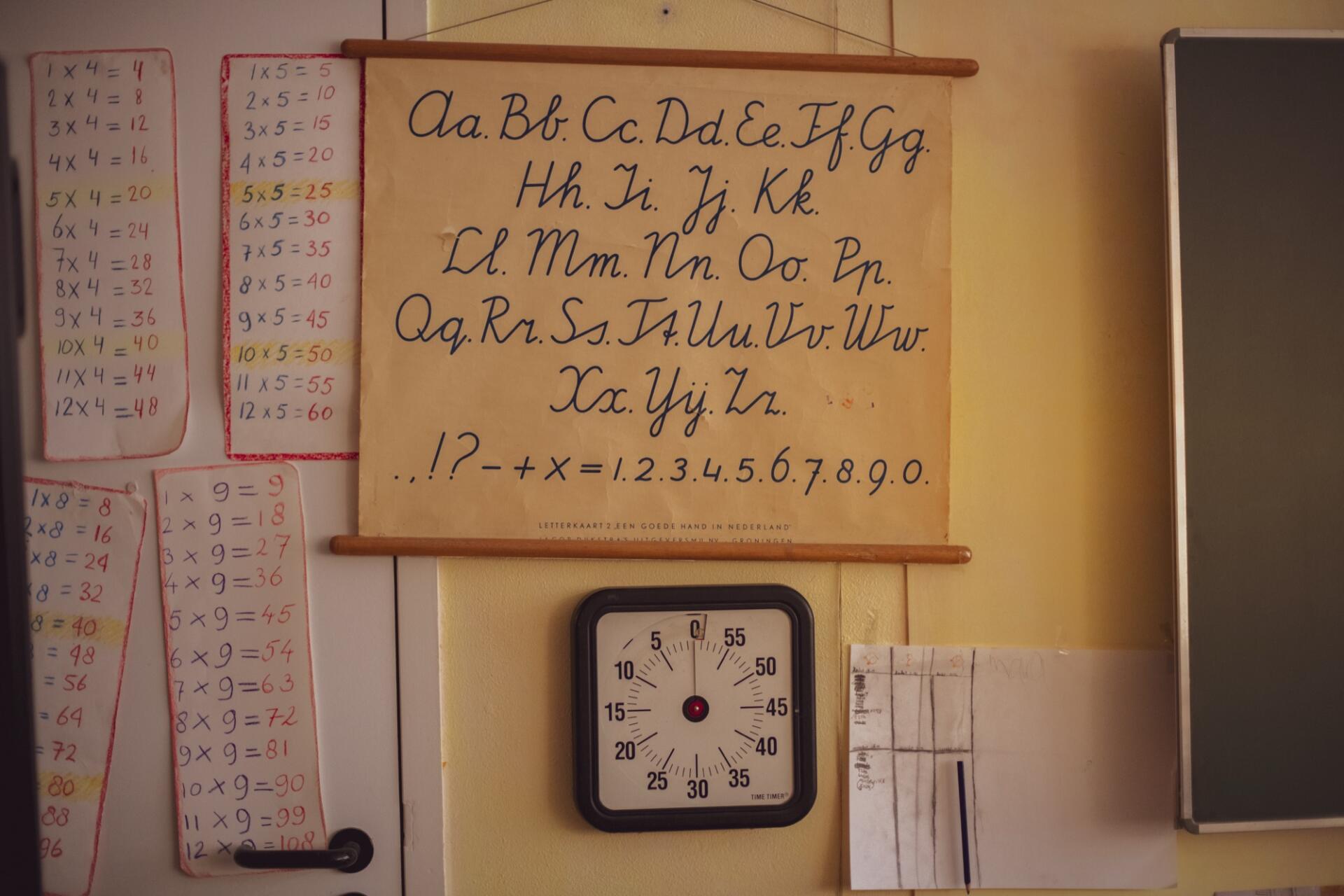
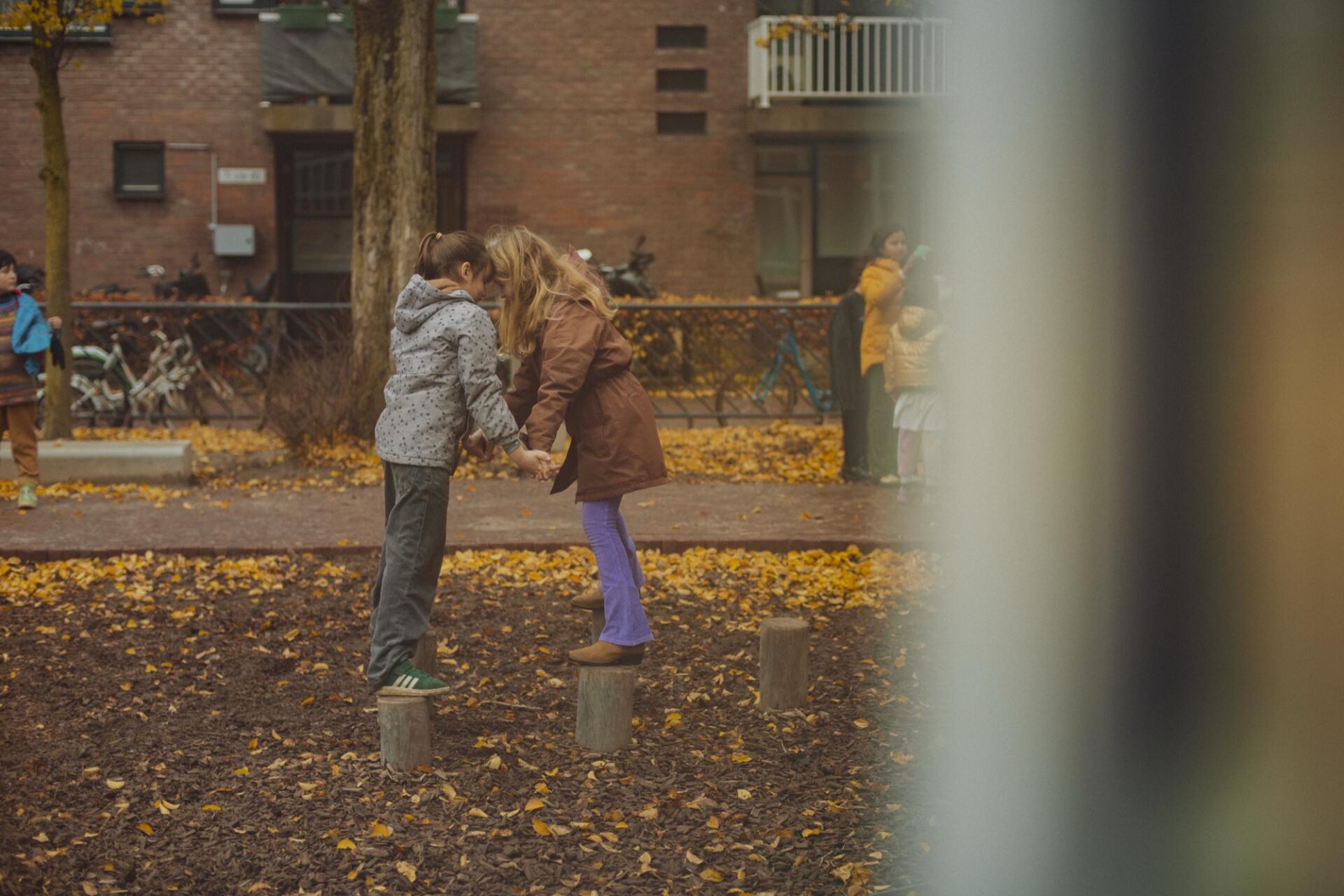
Then the children go outside, first Classes 1, 2 and 3 together and then Classes 4, 5 and 6. After the break come the practice lessons, in which language and maths are practised systematically using structured teaching programmes, so that the children learn to master the material independently. The progress of each child is followed closely, so that we can give more intensive support or offer enriching material.
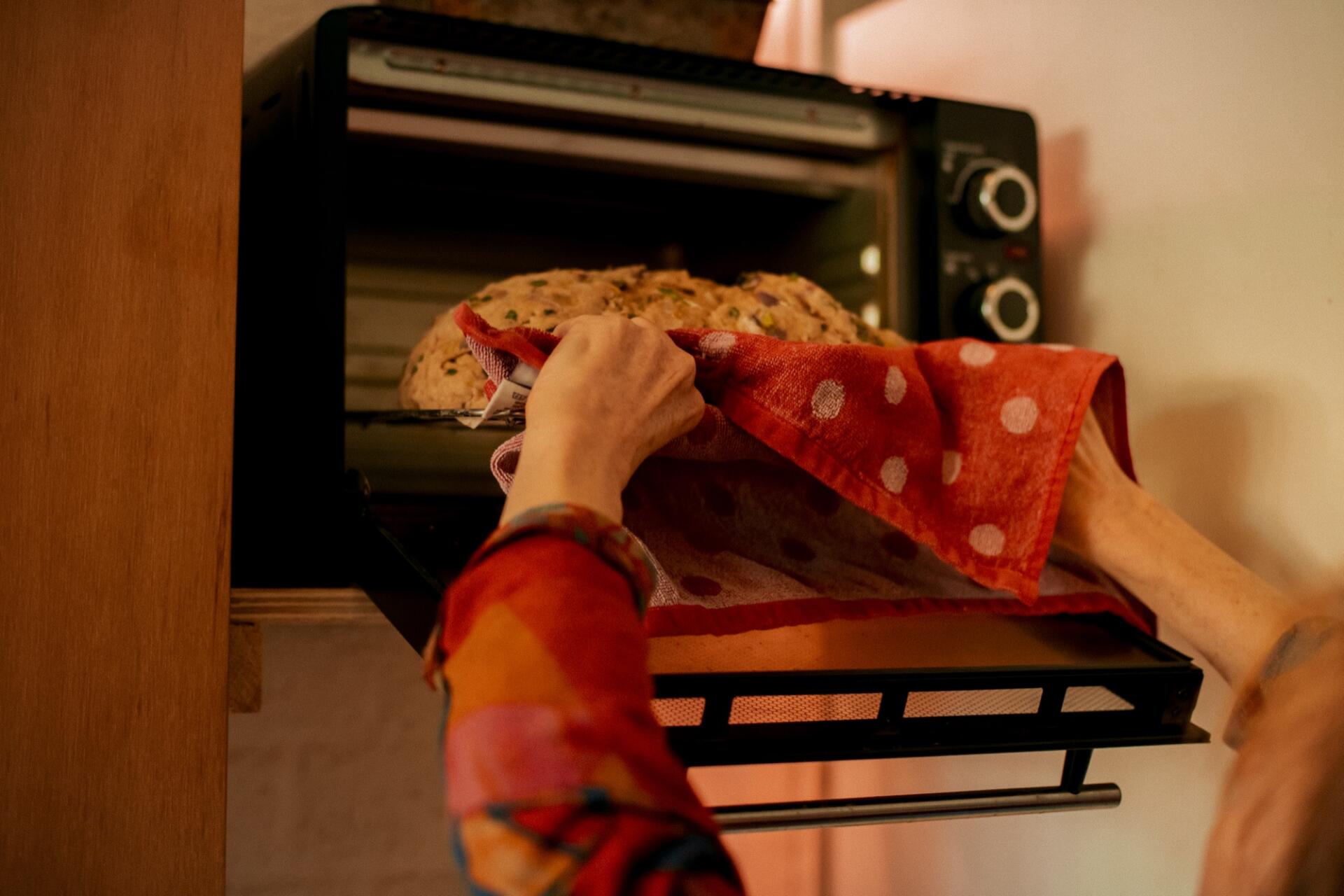
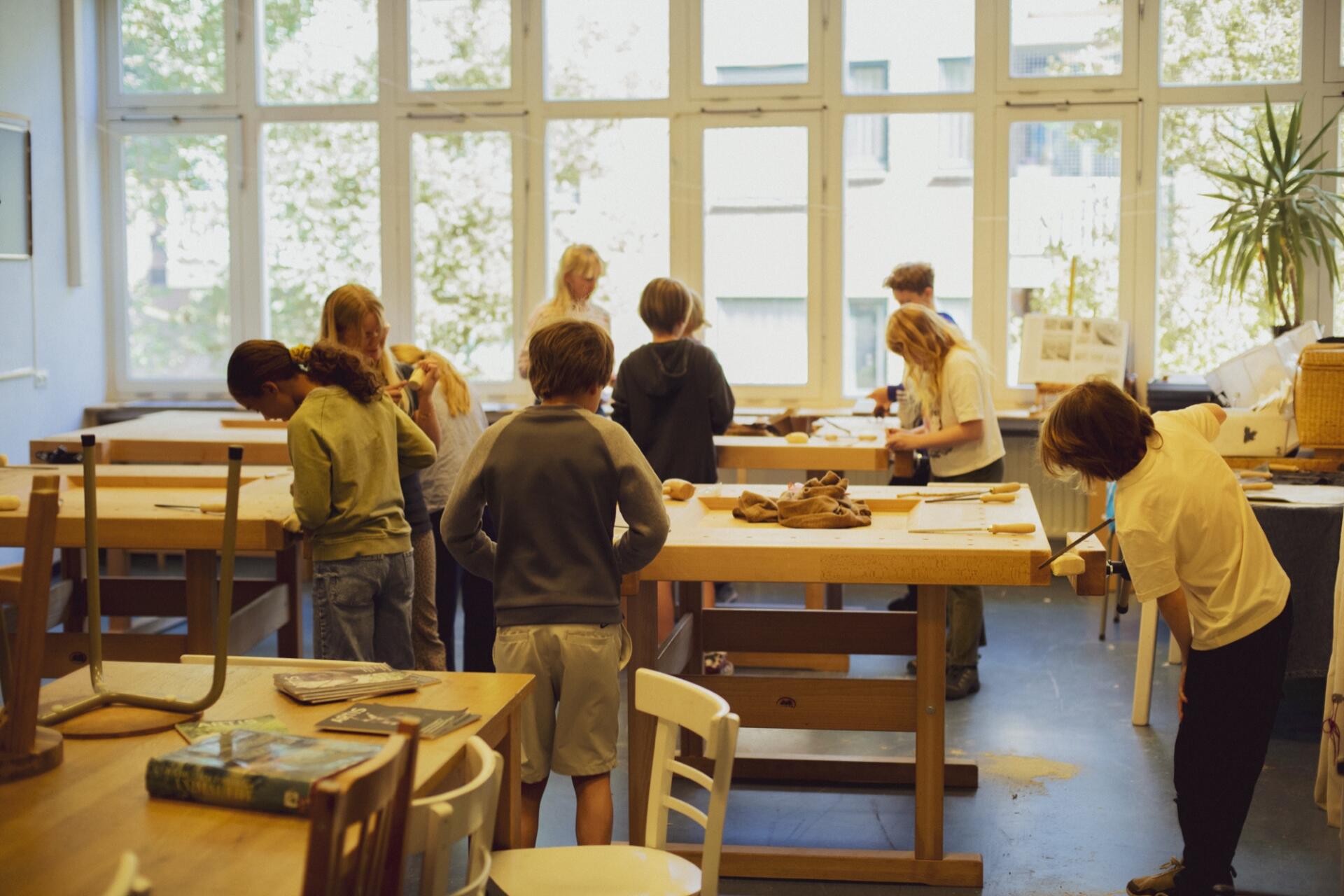
The afternoon is for the artistic specialist lessons: drawing, form drawing, painting, handwork, woodwork and drama. There the children learn technical skills and practise cooperation, problem-solving and perseverance. We do not avoid difficulty, and we practise persevering when faced with a challenge. When children have completed work they have had to work hard at, we see their self-confidence grow.
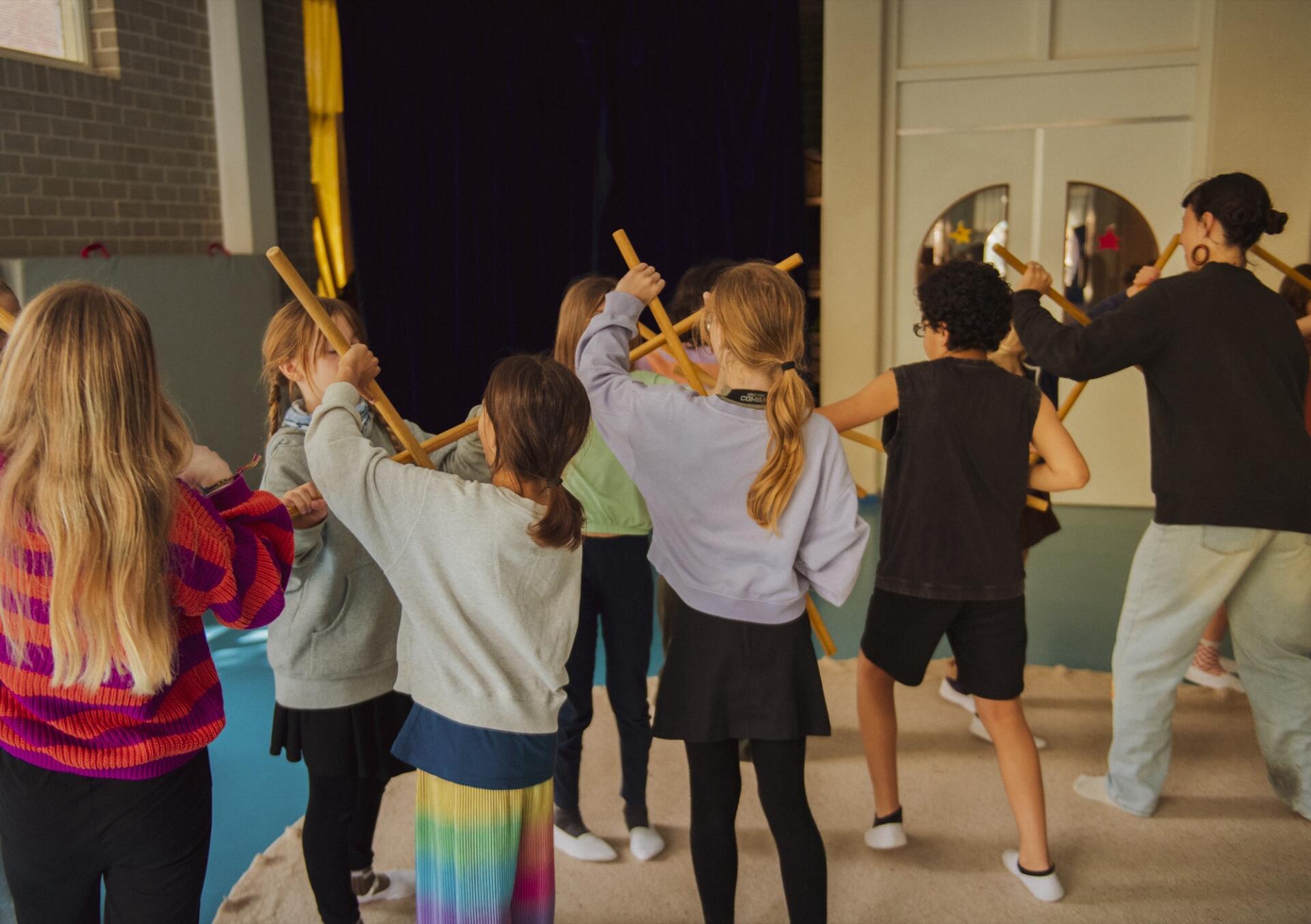
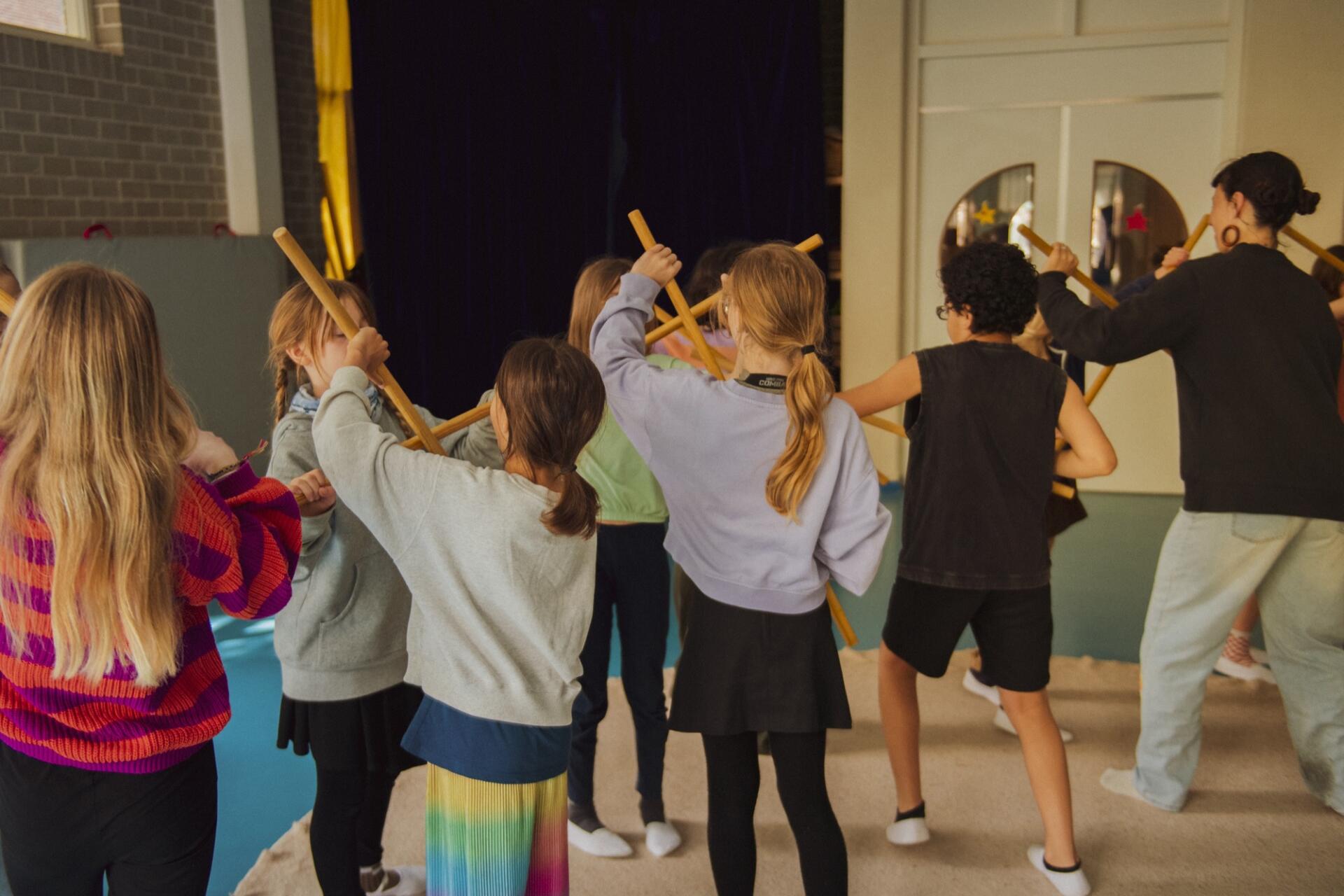
From grade one onwards, all children have English, eurythmy and a weekly gym lesson with a specialist teacher in our own gym. In eurythmy, accompanied on the grand piano, children connect with language and music through movement and learn to find their own place in the space in harmony with others. In all classes there is also singing every day, and the top three classes sing in several parts every week in choir lessons.
The week opens together with all six classes. We sing songs from all over the world, and a story that suits the time of year or the coming festival is told 'by heart' by a teacher.
The school day ends at 2:00 pm. We hope that parents regularly look in on the classroom after school, so that the children can show what they have been working on and what is going on in the class.


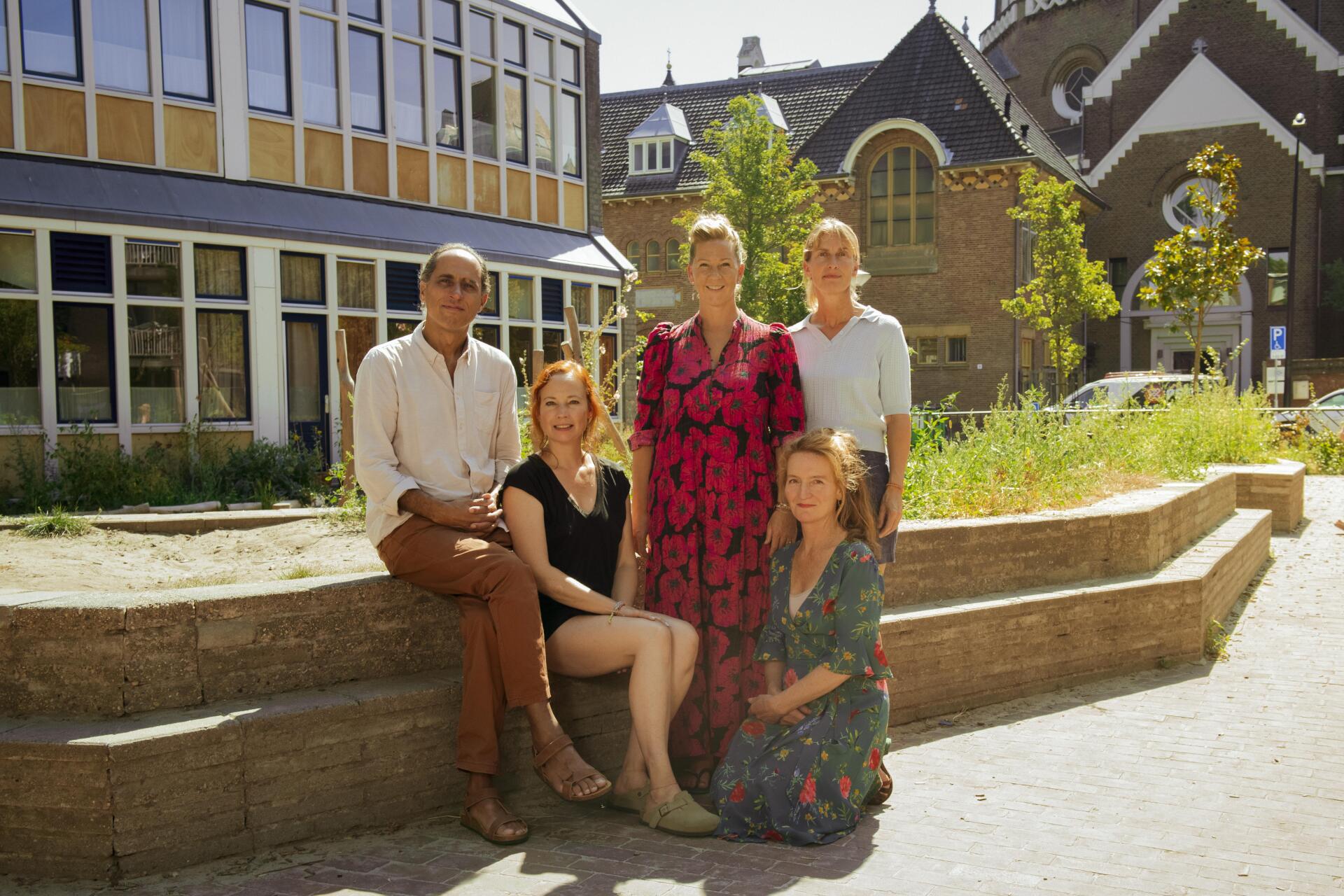
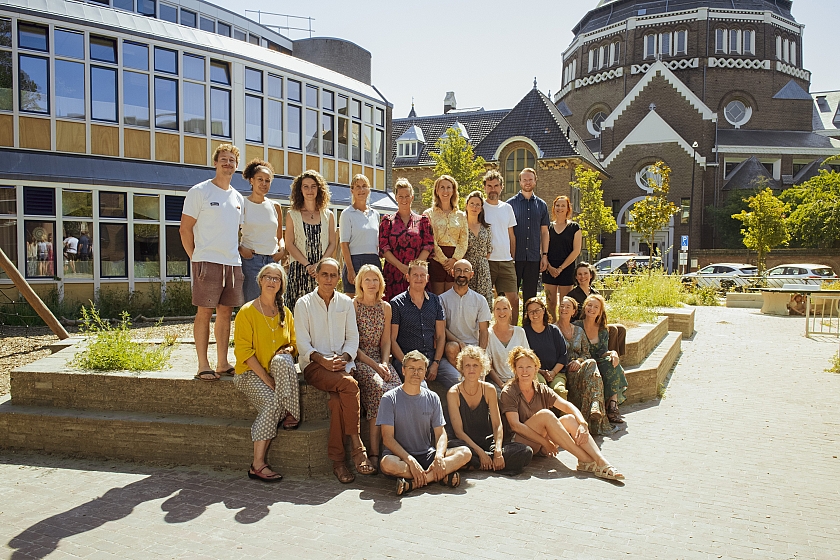
School team
Teachers
- Sun Class: Inka Smans and Bibi Swets
- Moon Class: Lara Postulart and Jesse de Jong
- Star Class: Chantal Meester and Bibi Swets
- Class 1: Sarah Macaringue
- Class 2: Merel Schilperoort and Floor van der Niet
- Class 3: Kamiel Siebert and Floor van der Niet
- Class 4: Floor van der Meulen and Aart Helder
- Class 5: Nickel van Duijvenboden and Sarah Bohncke
- Class 6: Elke Schoemaker and Matthieu Bobbe
Specialist teachers
- Gymnastics: Jonatan Kuhlmann
- Eurythmy, kindergarten classes: Lara Brummans
- Harp accompaniment: Mirjam Rietveld
- Eurythmy, Classes 1 to 6: Anouk Overbeek
- Piano accompaniment: Aris van Hoeklaken
- Arts and crafts: Roos Eelman
- Choir: Jasper Postema
School management
- Head of school: Jasper Postema
- Management support: Merel Boon
Educational support
- Learning support coordinator (intern begeleider): Roswitha Bruin
- Remedial teacher: Phoebe Puts
- Hildegardlab teacher: Nickel van Duijvenboden
- Caretaker: Paul Petrutoni
- Administration: Batya Petrutoni and Sara Hagenbeek
Internal confidential adviser and anti-bullying coordinator:
- Inka Smans
Parental involvement
Parent initiative has been a great strength throughout the school's history; parents were literally there at the very start. They brought drive and energy, and also a vision for the character of (intercultural) Waldorf education.
Even now, as the school continues to develop, we can use a lot of help. This help is partly organised or formalised and partly spontaneous, when a current need arises or when a parent has a good idea.
Below is an overview of the parent help organised so far:
- Participation council (MR)
- Parents' foundation
- The intercultural working group
- The Green Fingers gardening group
- The handwork group
- Class parent representatives
- The odd-jobs team
- Thula, full of music!
- Spring market
We hope that parents who are new to the school will also want to contribute actively. Feel free to drop by the school office or the school management if you would like to know more.
Governance and collaboration
Since 1 January 2026, Thula has come under the ultimate responsibility of Stichting Ithaka, which represents 23 Waldorf primary schools in North and South Holland. More information at: www.vsithaka.nl
Since the 2025–2026 school year, Vrijeschool Thula and Vrijeschool Kairos have been working closely together at organisational level, with the aim of further strengthening Waldorf education in Amsterdam.